Currently, we are not accepting Medicaid, HMO or State Insurances


5 Ways To Damage Your Dentures
January 13, 2023
Denture Repair
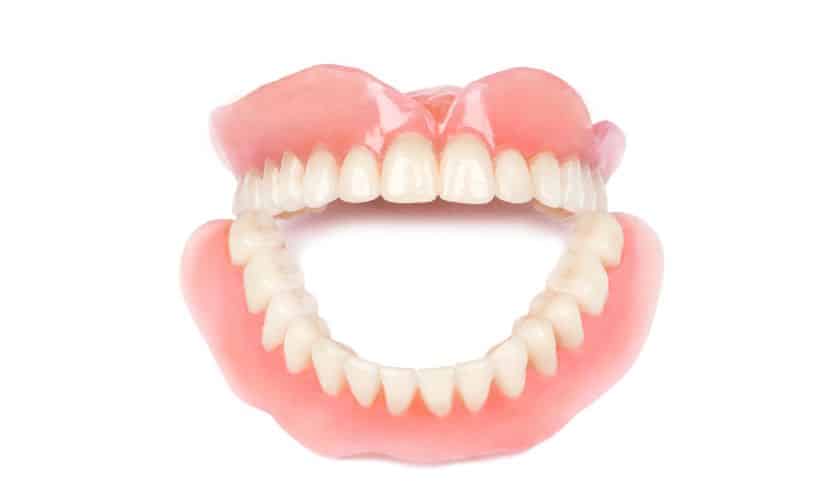
Having dentures can be a great way to restore your oral health and give you back the confidence of having a complete set of teeth. However, knowing how to care for them is crucial, so they remain in good shape. Unfortunately, some habits can damage or even ruin these dental appliances if done regularly. These are effective solutions for replacing missing teeth. They help improve oral function and aesthetics, allowing people to smile with their teeth again!
But like any other dental appliance, practicing proper care and maintenance is essential to last long and remain in good condition. Without appropriate care, some habits could damage or even ruin your dentures. Here are five ways you could damage them without realizing it.
Benefits Of Having Dentures
Dentures are an effective and affordable way to replace missing or damaged teeth. They can help improve your oral health, including improving chewing ability and speech and creating a more aesthetic smile. It can also support facial muscles and help maintain the natural shape of your face. Additionally, they can be easily cared for at home with minimal effort and provide a cost-effective alternative to other tooth replacement options. With proper care, dentures can last for five years or longer!
5 Ways Your Dentures Get Damaged
Not Cleaning Your Dental Appliance Properly
One of the most common mistakes people make when owning dentures is underestimating the importance of cleaning them regularly. Like regular teeth, this dental appliance collects plaque and bacteria over time. Not cleaning properly can lead to tooth discoloration and staining on the appliance’s plastic and metal components. To keep them clean and free from bacteria buildup, use a soft-bristled toothbrush with mild soap to scrub them twice daily gently.
Wearing Ill-Fitting Dentures
If you’ve had this dental appliance for a while, it may no longer fit as well as it once did. It is vital to get them refitted by your dentist if you notice any discomfort or changes in how they fit. Wearing ill-fitting dentures can cause damage to the gums and jawbone, leading to further problems.
Eating Hard Foods
Eating hard foods like popcorn kernels, candy, and nuts with dentures can damage your appliance’s metal and plastic parts. It is best to avoid eating these types of food with your dental appliance so that you don’t risk cracking or breaking them. If you eat more complex foods, cut them into smaller pieces and use both sides of your mouth to chew them.
Not Storing Them Properly
Dentures must be stored in a safe place when not being worn. It is important to remember that this dental appliance can quickly become damaged if not handled carefully or stored correctly. Ensure you keep them in a clean container with enough water, so the appliance does not dry out.
Using Harsh Chemicals
Using harsh chemicals or abrasive materials to clean your dentures is never recommended. This is because it can cause irreversible damage to the appliance’s metal, plastic, or even rubber components. Always opt for cleaning solutions made explicitly for denture cleaning as they are gentler and more effective than any other alternative.
Conclusion
To conclude, the presence of dental appliances is a great way to restore oral health and help you feel more confident about smiling with your teeth again. But like any other dental appliance, practicing proper care and maintenance is essential to last long and remain in good condition. By avoiding these five practices, you can ensure they stay in tip-top shape for years to come!
FAQs
1. How often should I clean my dentures?
A: It would help if you cleaned your dental appliances at least twice daily, using a soft-bristled toothbrush with mild soap or specialized cleaning solution. This helps keep the appliance free from bacteria and plaque buildup.
2. Can I eat hard foods with them?
A: It is best to avoid eating harder foods with them as they can be highly damaging to the metal and plastic components of the appliance. If you decide to eat these types of food, cut them into smaller pieces and use both sides of your mouth when chewing.
3. What should I store my dentures in?
A: They must be stored in a clean container with enough water so the appliance does not dry out. This helps keep them moist and prevents them from cracking or breaking while they are not being worn.
Recent Post
February 2, 2026
Which Foods Should I Avoid to Keep My New Smile Bright on a Date?
December 3, 2025
Achieving Your Perfect Shade: Why In-Office Teeth Whitening Beats At-Home Kits for Fenton Residents

November 3, 2025
Cracked, Chipped, or Knocked-Out Teeth? Get Emergency Dentistry Services in Fenton, Michigan for Tooth Injuries
October 3, 2025
An Investment, Not an Expense: Reframing Your Dental Insurance Through the “Use-It-Lose-It” Lens
September 3, 2025
Whitening for Seniors in Fenton: Managing Thin Enamel & Sensitivity
Categories
Denture Repair (3)