Currently, we are not accepting Medicaid, HMO or State Insurances


Does The Tooth Pain Increase Days After Root Canal Treatment?
January 12, 2024
Root Canal Treatment
Root canals – just the mention of this dental procedure can send shivers down your spine. But fear not because we’re here to ease your worries and answer one burning question: does tooth pain increase days after root canal treatment? We understand that undergoing a root canal can be daunting, but it’s important to have all the facts before jumping to conclusions. In this blog post, we’ll delve into the causes of post-root canal pain and provide you with valuable tips on managing and reducing any discomfort. So please sit back, relax (as much as you can), and let’s unravel the mystery behind root canal recovery!
Understanding The Causes Of Tooth Pain After A Root Canal
So, you’ve just had a root canal treatment, and now you’re experiencing tooth pain. You might be wondering why this is happening when the purpose of the procedure is to alleviate your pain in the first place. Well, there are several possible causes for post-root canal tooth pain.
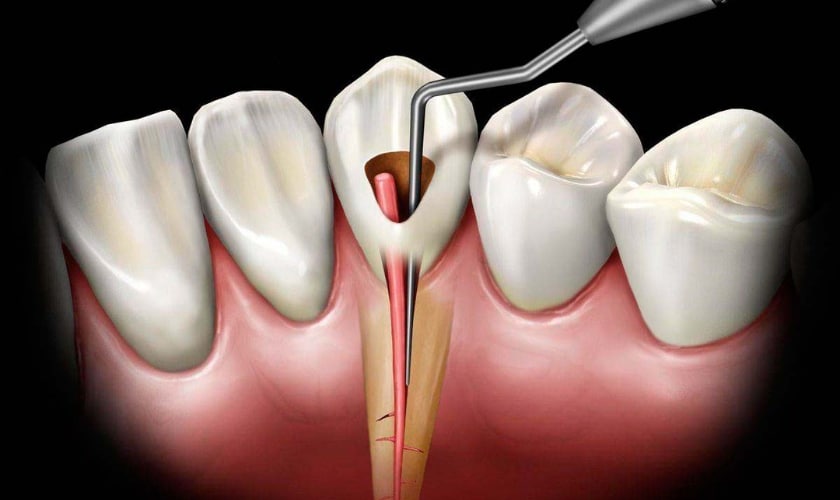
One common cause is inflammation. During the root canal procedure, your dentist removes infected pulp from inside your tooth and seals it with a filling material. However, sometimes residual infection or irritants can remain in the surrounding tissues, causing inflammation and subsequent pain.
Another possible cause is trauma to the tissues around the treated tooth. The process of cleaning out infected pulp may inadvertently lead to some damage or irritation to these tissues, resulting in discomfort afterward.
Additionally, it’s important to note that not all cases of post-root canal pain are directly related to the treatment itself. In some instances, pre-existing conditions such as gum disease or cracked teeth can contribute to ongoing discomfort even after successful root canal therapy.
It’s worth mentioning that sensitivity after a root canal is normal for a few days following treatment. However, if your pain persists beyond that time frame or becomes increasingly severe over time, it’s essential to consult with your dentist as soon as possible.
In conclusion (without concluding), understanding the potential causes of tooth pain after a root canal can help you navigate through any discomfort you may experience during recovery. Remember that each case varies, and consulting with your dentist will provide specific guidance tailored to your situation!
Common Symptoms To Look Out For
After undergoing a root canal treatment, it’s natural to experience some discomfort. However, if you notice any of the following symptoms persisting or worsening, it’s essential to pay attention and seek further medical advice.
1. Pain: Some level of pain is expected after a root canal procedure, but if the pain becomes severe or throbbing, it could be a sign of infection or complications.
2. Swelling: Swelling around the treated tooth or in the surrounding gums can indicate an infection that requires prompt attention from your dentist.
3. Sensitivity: It’s common to have sensitivity after a root canal due to temporary inflammation; however, prolonged sensitivity to hot and cold temperatures may suggest an issue with tooth restoration.
4. Discoloration: If you notice discoloration in the tooth that underwent a root canal treatment, it might be indicative of internal bleeding or other problems within the tooth structure.
5. Persistent bad breath or taste: Foul odor from your mouth, even after maintaining good oral hygiene, could point towards lingering infection post-root canal therapy.
Remember that everyone heals differently, so not all these symptoms may apply to every individual. However, recognizing any unusual signs and promptly discussing them with your dentist can help prevent potential complications and ensure proper healing.
Factors That Can Influence Post-Root Canal Pain
- Several factors can contribute to the intensity and duration of pain following a root canal treatment. Understanding these factors can help patients manage their pain effectively and navigate the recovery process more smoothly.
- One critical factor is the severity of infection or inflammation prior to the procedure. If you have a severe infection, it may take longer for your tooth and surrounding tissues to heal completely. Additionally, if there were complications during the root canal, such as missed canals or fractured instruments, it could lead to increased discomfort.
- Another influencing factor is individual pain tolerance. Each person’s response to dental procedures differs so that some individuals may experience more significant pain after a root canal than others. Factors like age, overall health, and stress levels can also impact how sensitive one is to post-treatment discomfort.
- The complexity of the tooth’s anatomy also plays a role in post-root canal pain. Teeth with multiple roots or curved canals may require additional effort during treatment and subsequently result in higher levels of soreness afterward.
- Furthermore, adherence to post-operative care instructions is crucial for minimizing pain after a root canal. Proper oral hygiene practices like gentle brushing and flossing, along with avoiding hard foods on that side of the mouth, are essential for promoting healing while reducing discomfort.
- Underlying dental conditions or issues in neighboring teeth may influence post-root canal pain as well. For instance, if there are untreated cavities or gum disease present nearby, it could affect the healing process of the treated tooth and cause prolonged discomfort.
- By considering these various factors that influence post-root canal pain,
patients can gain insight into why they might be experiencing extended discomfort
and work closely with their dentist to find appropriate solutions.
- Remember that everyone’s experience will differ, but staying informed about potential contributing factors helps pave the way for a better understanding
and management of any lingering discomfort
Managing and Reducing Pain After a Root Canal
Managing and reducing pain after a root canal is crucial for a smooth recovery. Here are some tips to help ease any discomfort you may experience:
1. Take prescribed medication: Your dentist will likely prescribe painkillers or antibiotics to manage pain and prevent infection. Follow their instructions carefully and take the medications as directed.
2. Apply a cold compress: Placing an ice pack or cold compress on the outside of your cheek near the treated tooth can help reduce swelling and numb the area, providing temporary relief.
3. Avoid hard foods: Stick to soft, easy-to-chew foods for a few days after the procedure. This helps prevent unnecessary strain on the tooth and reduces sensitivity.
4. Practice good oral hygiene: Continue brushing your teeth gently, but avoid vigorous rinsing or flossing around the treated tooth for at least a few days. Use a mild mouthwash recommended by your dentist to keep bacteria at bay.
5. Rinse with warm salt water: Mix half a teaspoon of salt in eight ounces of warm water and rinse your mouth several times a day, especially after meals. Saltwater acts as a natural disinfectant and promotes healing.
Take it easy:
Resting is essential during recovery to allow your body to heal properly. Avoid strenuous activities that may increase blood flow to the affected area, which could cause throbbing pain.
By following these guidelines, you can effectively manage post-root canal pain and promote faster healing without complications or further discomfort.
When to Seek Medical Attention
- While some level of discomfort or pain is normal after a root canal treatment, certain signs indicate you should seek medical attention. It’s important to remember that everyone’s healing process is different, so what may be normal for one person might not be for another.
- If the pain worsens significantly or doesn’t subside within a few days after the procedure, it could be a cause for concern. This persistent and intense pain could indicate an infection or other complications that need immediate attention from your dentist.
- Swelling in the gum area around the treated tooth is another red flag. If you notice excessive swelling accompanied by throbbing pain, it could suggest an abscessed tooth or an infection spreading beyond the treated area.
- Additionally, if you experience fever along with severe pain and swelling, it could signify systemic infection requiring prompt medical intervention.
- Unusual bleeding or discharge from the surgical site also warrants immediate attention. While some minor bleeding immediately following a root canal is expected, heavy bleeding that persists for more than a day should be addressed promptly.
- Any numbness or loss of sensation in your lips or tongue should never be ignored as it may indicate nerve damage during the procedure.
- Remember to always listen to your body and trust your instincts when determining whether to seek medical assistance after a root canal treatment. Your dentist will evaluate your symptoms and provide appropriate guidance based on their expertise.
Tips for a Smooth Recovery after a Root Canal Treatment
Tips for a Smooth Recovery after a Root Canal Treatment
Recovering from a root canal treatment can take time and patience, but following these tips can help ensure a smooth recovery:
1. Take prescribed medications: Your dentist may prescribe pain relievers or antibiotics to manage any discomfort or prevent infection. Be sure to take them as directed.
2. Avoid chewing on the treated tooth: To give your tooth time to heal, avoid biting down on hard foods or using them to chew until you receive the go-ahead from your dentist.
3. Maintain good oral hygiene: Brush and floss regularly to keep your teeth clean and prevent further complications. Use a soft-bristled brush and be gentle around the treated area.
4. Apply cold compresses: If you experience swelling or soreness, applying an ice pack wrapped in a cloth can help reduce inflammation and provide relief.
5. Stick to soft foods: In the days following your root canal treatment, opt for softer foods that are easier on your teeth, such as soups, yogurt, mashed potatoes, and smoothies.
6. Avoid extreme temperatures: Hot or cold drinks may cause sensitivity in the treated tooth, so try to consume beverages at room temperature until any sensitivity subsides.
7. Attend follow-up appointments: It’s important to attend all scheduled follow-up visits with your dentist. These visits allow them to monitor your progress and address any concerns that may arise during the healing process.
By following these tips and maintaining open communication with your dental professional throughout the recovery period, you can increase the likelihood of a successful root canal treatment outcome without experiencing increased tooth pain in the days after treatment.
Remember that every individual’s experience with post-root canal pain varies based on multiple factors, such as their overall health condition, severity of infection before treatment, adherence to post-treatment care instructions, and personal pain tolerance levels.
Recent Post

September 14, 2026
Is That Tooth Pain Actually a Dangerous Abscess?

September 7, 2026
Why Your Coffee Stains Won’t Whiten (And What Actually Works)

August 24, 2026
Your Smile Makeover From Start to Finish: What Happens at Each Appointment

August 17, 2026
Your 2 AM Toothache Doesn’t Have to Ruin Your Weekend

August 10, 2026
Dental Pain at 2 AM: Your Real Options Beyond the ER
Categories
Root Canal Treatment (9)