Currently, we are not accepting Medicaid, HMO or State Insurances


Teeth Whitening Results in Fenton, MI
June 8, 2026
Dental Health
You finally got that bright, white smile — and it looked amazing. Then a few months later, you noticed the color creeping back. If you’re wondering why your whitening results fade and how long they actually last in Fenton, you’re not alone. Understanding what affects your results helps you protect your investment and keep smiling confidently.
At Downtown Dental Fenton, Dr. Alex Burau works with patients every day who want longer-lasting whitening results. The good news is that with the right habits, you can extend your results significantly. Let’s break down exactly what’s happening to your enamel — and what you can do about it.
How Long Do Whitening Results Actually Last in Fenton?
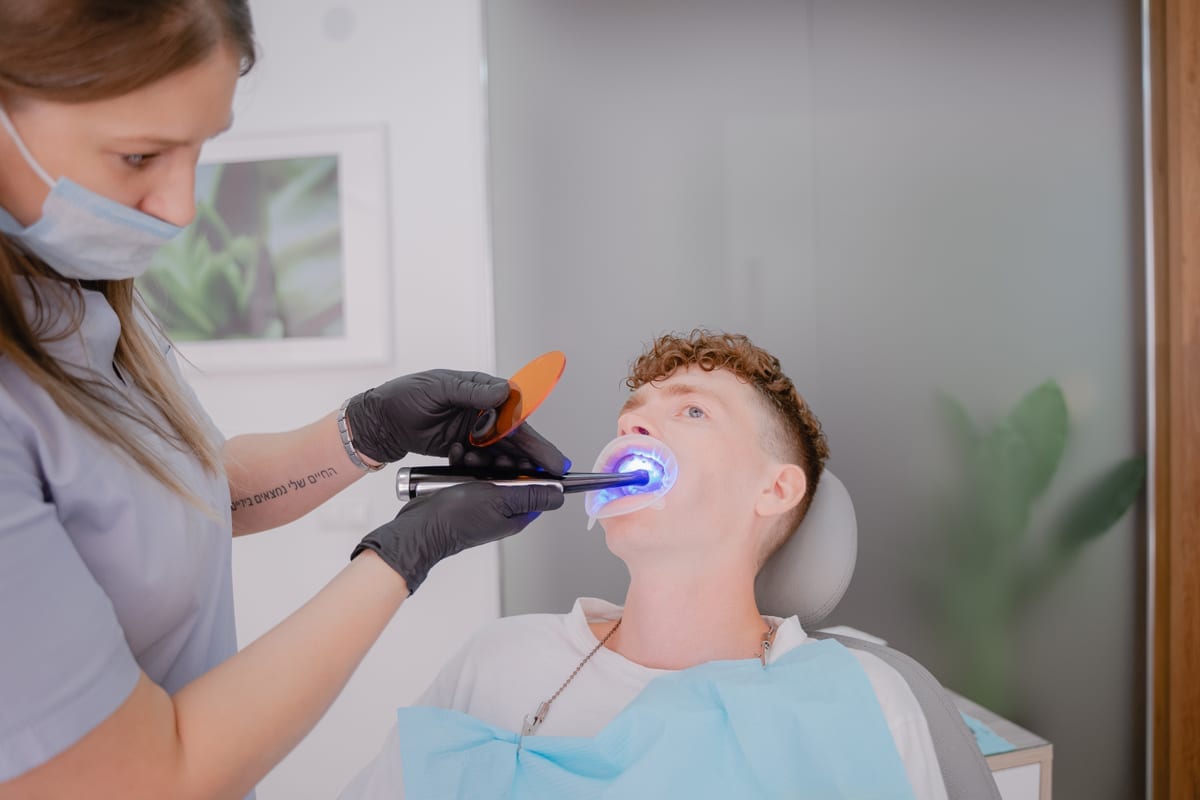
Most professional whitening treatments last anywhere from six months to two years. The range depends heavily on your lifestyle and maintenance habits. In-office treatments tend to last longer than over-the-counter strips or trays. Results from professional-grade treatments are also more dramatic and more durable.
Take-home whitening trays from a dental office typically last six to twelve months with regular use. In-office laser or light-activated treatments can last up to two years with proper care. Over-the-counter whitening products usually fade within one to three months. Your individual results depend on your diet, oral hygiene routine, and how often you follow up with your dentist.
- In-office professional whitening: 1–2 years with maintenance
- Custom take-home trays from your dentist: 6–12 months
- Over-the-counter whitening strips: 1–3 months
- Whitening toothpaste alone: minimal and temporary results
The key takeaway is that no whitening result is permanent. Your enamel is porous, and it absorbs pigments from food and drink over time. The goal is to slow that process down as much as possible.
Why Your Whitening Results Fade: The Biggest Culprits
Certain habits speed up staining faster than almost anything else. Coffee, red wine, and smoking are the top three offenders. Each one deposits chromogens — staining compounds — directly onto your enamel. Over time, those pigments penetrate the enamel surface and darken your smile.
Coffee is especially problematic because most people drink it daily. Even one or two cups a day builds up staining over weeks and months. Tea, particularly dark varieties, causes similar damage. If you add sugar or acidic creamers, you’re also softening enamel, which makes it absorb stains even faster.
Red wine contains tannins and deep pigments that cling aggressively to enamel. White wine is acidic and etches enamel, leaving it more vulnerable to staining from other foods. Smoking and tobacco products are among the worst offenders — nicotine and tar create deep, yellowish-brown stains that are very difficult to remove. These stains can also make future whitening treatments less effective over time.
- Coffee and dark tea — daily consumption builds rapid staining
- Red and white wine — tannins and acidity erode and stain enamel
- Tobacco and smoking — nicotine causes deep, stubborn discoloration
- Dark sauces like soy sauce, tomato sauce, and balsamic vinegar
- Berries and deeply pigmented fruits and juices
- Sports drinks and sodas — high acidity weakens enamel protection
The more frequently you consume these items without rinsing or brushing afterward, the faster your whitening results will fade. Even small daily habits add up to noticeable color changes within weeks.
Practical Tips to Make Your Whitening Last Longer
The simplest thing you can do is rinse your mouth with water after consuming staining foods or drinks. This removes surface pigments before they have time to absorb into your enamel. You don’t need to brush immediately — in fact, brushing right after acidic foods can wear enamel. A quick water rinse does the job effectively.
Using a whitening toothpaste two to three times per week helps maintain brightness between treatments. Daily brushing with a soft-bristled toothbrush and fluoride toothpaste is essential. Flossing prevents staining between teeth where whitening may not reach as effectively. These basic habits make a measurable difference over months and years.
Drinking coffee or wine through a straw reduces direct contact with your front teeth. It sounds simple, but it genuinely helps slow down surface staining. Limiting consumption of staining beverages to mealtimes is another practical strategy. Sipping coffee all morning exposes your teeth to continuous staining — finishing it quickly is actually better for your smile.
Touch-up treatments are also a smart tool. Using your take-home whitening trays for one or two nights every few months refreshes your results easily. Ask Dr. Alex Burau at Downtown Dental Fenton about a personalized maintenance schedule. Consistent touch-ups prevent major fade and keep your results looking fresh year-round.
Why Professional Whitening Outperforms Store-Bought Options in Fenton
Store-bought whitening products use lower concentrations of bleaching agents. They can brighten teeth slightly, but the results are rarely dramatic or long-lasting. Professional whitening uses higher-strength formulas applied safely under dental supervision. The results are faster, brighter, and significantly more durable.
Professional whitening is also customized to your specific teeth. Custom trays fit your exact bite, ensuring even coverage without irritating your gums. Generic strips often don’t cover back teeth or irregular tooth shapes effectively. Uneven application leads to patchy results that fade unevenly over time.
Part of great cosmetic care includes protecting the underlying health of your smile. Cosmetic Dentistry at Downtown Dental Fenton combines whitening with other aesthetic treatments to give you the most complete, lasting results possible. When whitening is paired with proper preventive care, your smile stays healthier and brighter for longer. A dental professional also checks for underlying issues that may affect how whitening works for you.
It’s worth noting that whitening does not work on crowns, veneers, or dental bonding. If you have restorations on your front teeth, your dentist can help you develop a plan to achieve a more uniform smile. Understanding the full picture helps you set realistic expectations and get the best outcome.
When to See Your Dentist About Whitening Results
If your whitening results are fading unusually fast, it’s worth discussing with your dentist. Sometimes accelerated staining points to enamel erosion or other concerns. Sensitivity after whitening is common, but persistent pain could signal a deeper issue. Conditions like cracked enamel or untreated cavities can interfere with whitening outcomes.
In some cases, tooth discoloration comes from internal sources rather than surface staining. Trauma, certain medications, or aging can cause intrinsic discoloration inside the tooth. Surface whitening won’t address these causes. A dental evaluation helps determine the best path forward for your specific situation.
If you’re dealing with dental pain or sensitivity alongside discoloration, that needs attention first. Root Canals Treatment may be necessary when a tooth is internally damaged or infected. Treating the underlying issue before pursuing cosmetic improvements protects both your health and your results. Your overall oral health is always the foundation of a beautiful smile.
Regular teeth cleanings every six months also play a major role in maintaining whitening results. Professional cleanings remove surface stains and tartar buildup that dull your smile over time. Combining professional cleanings with whitening maintenance creates a powerful long-term strategy. Dr. Alex Burau and the Downtown Dental Fenton team are here to help you build a routine that works for your smile and your life.
Understanding why whitening results fade puts you in control of your smile. Small daily choices add up to big differences in how long your results last. With the right habits and professional support, a bright smile is absolutely maintainable. Book Now to schedule your appointment with our team.
Frequently Asked Questions
How long does professional teeth whitening last in Fenton, MI?
Professional whitening results typically last between six months and two years. In-office treatments tend to last longer than take-home options. Your diet, oral hygiene habits, and use of touch-up treatments all affect how long results last. Patients who avoid heavy staining foods and drinks and schedule regular cleanings see the longest-lasting results.
Can I speed up the fading of my whitening results without knowing it?
Yes, certain everyday habits accelerate fading significantly. Drinking coffee, tea, red wine, or soda daily deposits staining pigments on your enamel. Smoking is one of the fastest ways to reverse whitening results. Skipping regular brushing and dental cleanings also allows surface stains to build up quickly.
Is teeth whitening safe for sensitive teeth?
Most patients with sensitive teeth can still whiten safely with the right approach. Dr. Alex Burau can recommend lower-concentration formulas or desensitizing treatments to reduce discomfort. Using a toothpaste designed for sensitive teeth before and after whitening also helps. Always discuss your sensitivity concerns with your dentist before starting any whitening treatment.
Why don’t whitening products work on my dental crowns or veneers?
Whitening agents only work on natural tooth enamel. Crowns, veneers, and dental bonding are made from materials that do not respond to bleaching products. If you have visible restorations, whitening your natural teeth may create a color mismatch. Your dentist can help you develop a plan to achieve a more uniform, balanced smile.
How often should I do touch-up whitening treatments?
Most patients benefit from touch-up treatments every three to six months. This depends on your dietary habits and how quickly your teeth tend to stain. Using your custom whitening trays for one or two nights at a time is usually sufficient for maintenance. Your dentist at Downtown Dental Fenton can recommend a schedule tailored to your specific needs.
Recent Post

September 14, 2026
Is That Tooth Pain Actually a Dangerous Abscess?

September 7, 2026
Why Your Coffee Stains Won’t Whiten (And What Actually Works)

August 24, 2026
Your Smile Makeover From Start to Finish: What Happens at Each Appointment

August 17, 2026
Your 2 AM Toothache Doesn’t Have to Ruin Your Weekend
August 10, 2026
Dental Pain at 2 AM: Your Real Options Beyond the ER
Categories
Dental Health (35)