Currently, we are not accepting Medicaid, HMO or State Insurances


Teeth Whitening Doesn’t Have to Hurt: Managing Sensitivity the Right Way
August 3, 2026
Dental Health
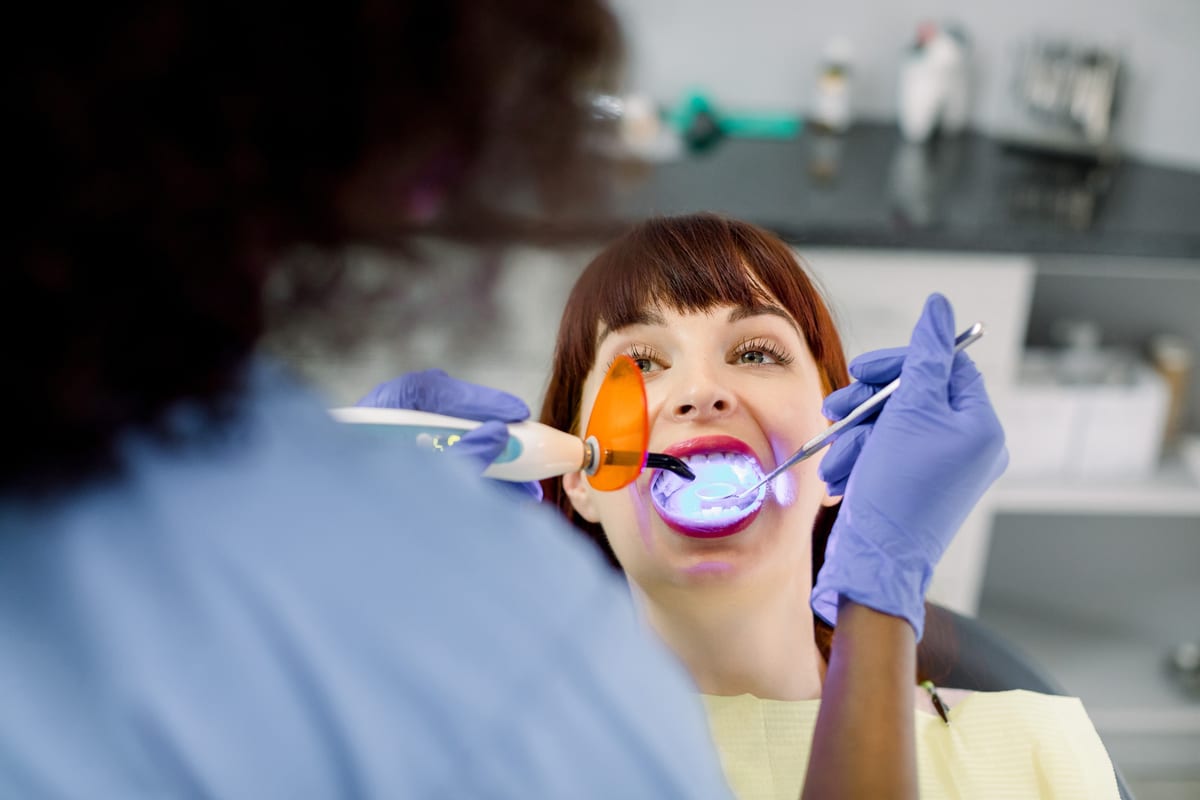
Many Fenton residents want a brighter smile but worry about painful sensitivity. The good news is that teeth whitening doesn’t have to hurt — managing sensitivity the right way in Fenton is entirely possible with the right approach. At Downtown Dental Fenton, Dr. Alex Burau helps patients achieve beautiful results comfortably. Understanding why sensitivity happens is the first step toward a worry-free whitening experience.
Why Does Teeth Whitening Cause Sensitivity?
Whitening products use peroxide-based gels to break down stains on your enamel. These gels can temporarily open tiny channels in your teeth called dentinal tubules. Those channels lead directly to the nerve inside your tooth. When they are exposed, hot, cold, or sweet stimuli can trigger a sharp, brief sensation.
Not everyone experiences sensitivity equally. People with naturally thin enamel or existing gum recession tend to feel it more intensely. Pre-existing conditions like cracked teeth or untreated cavities can also amplify discomfort. This is exactly why a dental exam before whitening is so important.
Sensitivity during whitening is usually temporary. It typically fades within 24 to 72 hours after treatment. The discomfort is not a sign of damage — it is a normal physiological response. Knowing this upfront helps patients feel much more at ease.
How Dr. Burau Minimizes Sensitivity During Professional Whitening in Fenton
Professional whitening at Downtown Dental Fenton is designed with your comfort in mind. Dr. Alex Burau begins every whitening consultation with a thorough oral health assessment. This ensures your teeth and gums are ready for treatment before anything is applied. Catching small problems early prevents big discomfort later.
In-office treatments use carefully controlled concentrations of whitening gel. Unlike many over-the-counter products, professional-grade solutions are precisely dosed. Dr. Burau monitors the process closely throughout your appointment. This level of oversight dramatically reduces the risk of overexposure.
Several clinical techniques also help protect sensitive patients:
- Applying a desensitizing gel containing potassium nitrate before treatment
- Using custom-fitted trays that minimize gel contact with gum tissue
- Shortening application times for patients with known sensitivity
- Recommending fluoride varnish immediately after the procedure
These strategies work together to keep your experience as comfortable as possible. Patients are often surprised by how manageable professional whitening feels compared to at-home kits. The controlled environment makes a significant difference in outcomes.
What You Can Do at Home to Manage Whitening Sensitivity
Your aftercare routine plays a huge role in how much sensitivity you experience. Starting a desensitizing toothpaste two weeks before your appointment can make a real difference. Products containing potassium nitrate or stannous fluoride are especially effective. They work by blocking those open dentinal tubules before whitening begins.
After your treatment, avoid temperature extremes for at least 48 hours. Skip very hot coffee, ice-cold drinks, and acidic foods during this window. These triggers can amplify sensitivity when your teeth are most vulnerable. Stick to lukewarm water and soft, mild foods to stay comfortable.
Here are some practical home-care tips to reduce post-whitening discomfort:
- Use a soft-bristled toothbrush and gentle pressure when brushing
- Avoid whitening toothpastes immediately after treatment — they can increase irritation
- Take an over-the-counter pain reliever like ibuprofen if discomfort is significant
- Apply a fluoride rinse to help remineralize and strengthen enamel
- Wait at least 30 minutes after eating before brushing your teeth
Most patients find these steps dramatically reduce their discomfort. Consistency is key — the more diligently you follow aftercare instructions, the smoother your recovery will be. Dr. Burau and the team at Downtown Dental Fenton provide personalized guidance for every patient.
Is Professional Whitening the Right Choice for Sensitive Teeth?
Many people with sensitive teeth assume whitening is simply off the table for them. That assumption is often incorrect. With the right precautions, even patients with heightened sensitivity can safely whiten their smiles. The difference lies in having a knowledgeable dentist guiding the process.
At-home whitening kits from drugstores are not customized for your specific needs. They can lead to uneven application, gum irritation, and prolonged sensitivity. Professional whitening offers a far safer and more predictable outcome. It is part of the broader spectrum of Cosmetic Dentistry Fenton services that Downtown Dental Fenton proudly provides.
There are cases where whitening should be postponed. If you have untreated decay, gum disease, or need a Root Canals Treatment Fenton procedure, those issues must be addressed first. Whitening over compromised teeth can worsen pain and damage. Dr. Burau always prioritizes your long-term dental health above cosmetic goals.
Once your oral health is stable, professional whitening is a safe and effective option. Results can last anywhere from six months to two years with proper maintenance. Regular cleanings and mindful dietary habits help preserve your results longer. You invest in your smile — it makes sense to protect that investment.
When to Call Downtown Dental Fenton About Your Sensitivity
Mild sensitivity after whitening is completely normal and expected. However, some symptoms warrant a prompt call to our office. Severe or lingering pain lasting more than a week is not typical. Sharp, spontaneous pain unrelated to food or temperature also needs professional attention.
These symptoms could indicate an underlying issue that whitening has revealed. Conditions like a cracked tooth or deep cavity may require treatment before you continue whitening. Dr. Burau is always available to evaluate any concerning symptoms. You should never feel like you have to simply endure discomfort.
Downtown Dental Fenton also offers Emergency Dentistry services for patients experiencing sudden or severe dental pain. You do not need to suffer in silence waiting for a routine appointment. Our team will assess your situation promptly and provide appropriate care. Your comfort and safety are always our top priorities.
Conclusion
Teeth whitening is one of the most rewarding cosmetic treatments available today. Sensitivity does not have to stand between you and the smile you want. With professional guidance from Dr. Alex Burau, smart home-care habits, and the right timing, whitening can be a comfortable experience. The Fenton community deserves to smile with confidence — and we are here to make that happen. Book Now to schedule your appointment with our team.
Frequently Asked Questions
How long does sensitivity last after professional teeth whitening?
Most patients experience sensitivity for 24 to 72 hours after their whitening treatment. This is a normal response and typically resolves on its own. Using a desensitizing toothpaste and avoiding temperature extremes speeds up recovery. Contact Downtown Dental Fenton if your sensitivity lasts longer than a week.
Can I whiten my teeth if I already have sensitive teeth?
Yes, many patients with sensitive teeth can still safely whiten their smiles. Dr. Alex Burau tailors the treatment plan to your specific sensitivity level. This may include lower peroxide concentrations, shorter application times, or pre-treatment with desensitizing agents. A thorough exam before whitening ensures the safest possible experience.
Is professional whitening safer than over-the-counter kits for sensitive teeth?
Professional whitening is generally much safer for patients prone to sensitivity. Dentist-supervised treatments use controlled gel concentrations and custom-fitted trays. This minimizes gum exposure and reduces the risk of overuse. Over-the-counter kits lack this level of customization and oversight.
What foods should I avoid after teeth whitening?
For at least 48 hours after whitening, avoid very hot or cold beverages, acidic foods like citrus and vinegar, and dark-colored items like coffee, red wine, and berries. These can trigger sensitivity and stain freshly whitened enamel. Stick to mild, room-temperature foods during this recovery window.
How often should I get professional teeth whitening?
Most patients benefit from professional whitening once or twice per year depending on lifestyle habits and dietary choices. Regular teeth cleanings help maintain your results between whitening sessions. Dr. Burau will recommend a personalized schedule based on your goals and oral health status.
Recent Post

September 14, 2026
Is That Tooth Pain Actually a Dangerous Abscess?

September 7, 2026
Why Your Coffee Stains Won’t Whiten (And What Actually Works)

August 24, 2026
Your Smile Makeover From Start to Finish: What Happens at Each Appointment
August 17, 2026
Your 2 AM Toothache Doesn’t Have to Ruin Your Weekend
August 10, 2026
Dental Pain at 2 AM: Your Real Options Beyond the ER
Categories
Dental Health (35)