Currently, we are not accepting Medicaid, HMO or State Insurances


How Long Do Inlays & Onlays Last? A Look At Their Durability And Care
January 24, 2025
Cosmetic Dentistry
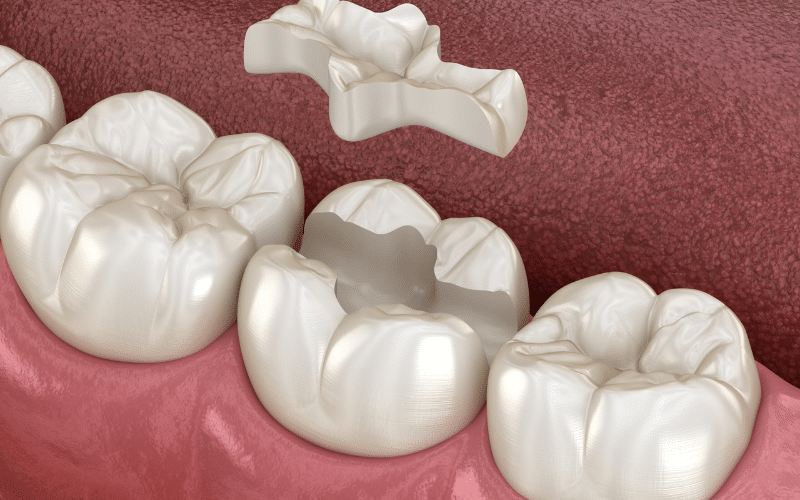
Inlays and onlays are among the best choices available for repairing damaged teeth. They assist in maintaining more of your natural tooth structure and are both long-lasting and aesthetically pleasing. But the questions are, ‘how long do they last’? and ‘what are some ways to make them last longer?’ Their durability is what will be explained in further detail in today’s blog, along with advice on how to maintain their best possible condition.
What Is The Lifespan of Inlays and Onlays?
Depending on the material chosen, the restoration’s position, and your level of care, inlays and onlays can typically last 10 to 30 years. The anticipated lifespan according to the materials is broken down as follows:
- Ceramics last for 15–20 years
- 20 to 30 years for gold ones
- And 5 to 10 years for composite resin.
According to the American Dental Association, inlays and onlays have one of the highest success rates in dentistry, lasting up to 30 years with proper care!
How To Take Care of Your Inlays and Onlays?
Their lifespan can be considerably increased with proper maintenance. Here are some pointers to ensure they continue to function and look fantastic for a long time:
- To balance the health of your teeth and gums, you must maintain proper oral hygiene. It’s only possible when you brush your teeth at least twice a day, floss every day, and use mouthwash.
Don’t forget to keep the area around your inlays and onlays clean to avoid plaque accumulation.
- Avoid meals that are too sticky or firm, such as caramel or ice, as these can harm the restorations.
- A specially designed nightguard can shield your inlays and onlays from undue damage if you grind your teeth at night.
- Schedule routine cleanings and examinations with dentist. They will look for any wear or damage and take care of any problems before they get worse.
When Should Onlays or Inlays Be Replaced?
Despite their durability, inlays and onlays are susceptible to wear and strain. Maybe it’s time to replace them if you observe any of the symptoms below:
- The restoration’s strength and structure could be jeopardised by any obvious damage like cracks or something.
- The inlay or onlay may need to be replaced if it is uncomfortable or makes you sensitive to heat or cold.
- If you notice decay developing around the margins, it may be a sign that the filling has been contaminated or that the restoration has worn down.
So, if you wish to repair your smile and maintain the integrity of your teeth, then inlays and onlays are the best choices. These restorations can provide both practicality and visual appeal for decades if they are properly maintained.
Yes, you can extend their lifespan and maintain the appearance of your smile by simply maintaining proper dental hygiene, abstaining from bad habits, and visiting our dentist on a regular basis.
Recent Post

February 2, 2026
Which Foods Should I Avoid to Keep My New Smile Bright on a Date?
December 3, 2025
Achieving Your Perfect Shade: Why In-Office Teeth Whitening Beats At-Home Kits for Fenton Residents

November 3, 2025
Cracked, Chipped, or Knocked-Out Teeth? Get Emergency Dentistry Services in Fenton, Michigan for Tooth Injuries
October 3, 2025
An Investment, Not an Expense: Reframing Your Dental Insurance Through the “Use-It-Lose-It” Lens
September 3, 2025
Whitening for Seniors in Fenton: Managing Thin Enamel & Sensitivity
Categories
Cosmetic Dentistry (10)