Currently, we are not accepting Medicaid, HMO or State Insurances


How to Remove Tartar & Plaque on Your Teeth Without Tooth Extraction
June 9, 2023
Uncategorized
Tartar and plaque buildup on your teeth can be unsightly and harmful to your oral health. If left untreated, they can lead to tooth decay, gum disease, and even tooth loss. While tooth extraction may be necessary in severe cases, there are effective ways to remove tartar and plaque without resorting to extraction. In this blog, we will explore practical tips and methods to help you maintain a healthy smile by tackling tartar and plaque buildup.
Understanding Tartar and Plaque
Before we dive into the removal methods, let’s understand what tartar and plaque are:
- Plaque: Plaque is a sticky film that forms on your teeth due to the accumulation of bacteria, food particles, and saliva. If not removed regularly, it hardens into tartar.
- Tartar: Tartar, also known as dental calculus, is a hardened form of plaque that adheres to your teeth. It has a yellow or brownish color and cannot be removed by brushing or flossing alone.
Now, let’s explore the steps you can take to remove tartar and plaque buildup without the need for tooth extraction.
Step 1: Brush and Floss Regularly
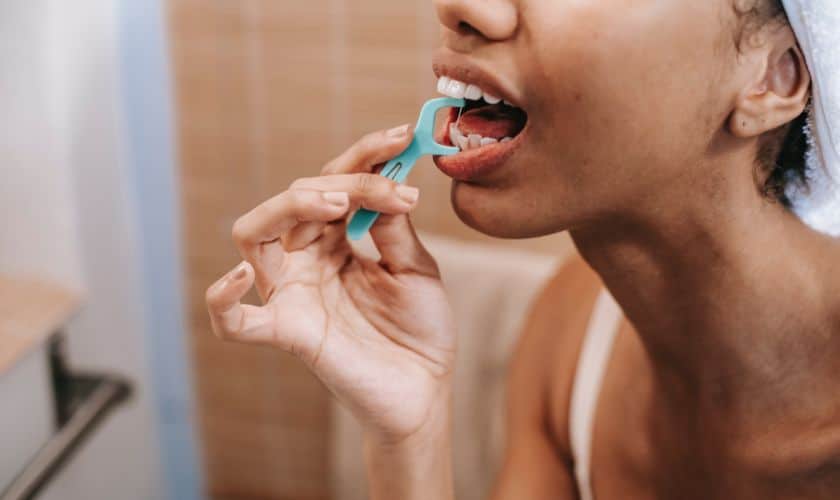
The foundation of good oral hygiene is brushing your teeth at least twice a day and flossing once a day. Use a soft-bristled toothbrush and fluoride toothpaste to thoroughly clean all surfaces of your teeth. Pay special attention to the gum line and areas where tartar and plaque tend to accumulate. Flossing helps remove plaque and food particles from between your teeth and along the gum line, where a toothbrush cannot reach.
Step 2: Use Tartar Control Toothpaste
Toothpaste specifically formulated for tartar control can help prevent and reduce the formation of tartar. These kinds of toothpaste contain ingredients that inhibit the growth of tartar-causing bacteria and can aid in softening and removing existing tartar buildup. Make it a part of your daily oral hygiene routine for better results.
Step 3: Try Oil Pulling
Oil pulling is an ancient technique that can help remove plaque and promote oral health. Swish a tablespoon of coconut oil or sesame oil in your mouth for about 15-20 minutes, then spit it out. This process helps loosen and dislodge plaque from your teeth. Remember not to swallow the oil, as it may contain bacteria and toxins from your mouth. Oil pulling can be done once a day, preferably in the morning before brushing your teeth.
Step 4: Incorporate Natural Remedies
Several natural remedies can help remove tartar and plaque from your teeth. Here are a few:
- Baking Soda: Mix a small amount of baking soda with water to form a paste. Gently brush your teeth with this paste to remove plaque and help whiten your teeth. Use this method once or twice a week, as baking soda can be abrasive if used excessively.
- Vinegar Rinse: Rinse your mouth with a solution of equal parts water and vinegar (preferably apple cider vinegar) after brushing your teeth. The acidic nature of vinegar helps break down tartar and reduce plaque.
- Lemon Juice: Rubbing a slice of lemon or applying lemon juice to your teeth can help dissolve tartar due to its acidic properties. However, be cautious as excessive use of lemon juice can erode tooth enamel. Rinse your mouth thoroughly with water after using lemon juice.
Remember that these natural remedies should supplement your regular oral hygiene routine and not replace it.
Step 5: Consider Professional Dental Cleaning
While the above methods can be effective in removing tartar and plaque, professional dental cleaning is essential for thorough removal, especially if you have a significant buildup. Schedule regular dental check-ups and cleanings with your dentist or dental hygienist. They will use specialized tools to safely and effectively remove tartar and plaque from your teeth, ensuring optimal oral health.
Step 6: Maintain a Healthy Diet
A healthy diet plays a crucial role in preventing tartar and plaque buildup. Limit your consumption of sugary and starchy foods, as they contribute to plaque formation. Opt for a balanced diet rich in fruits, vegetables, whole grains, lean proteins, and dairy products. Foods like apples, celery, carrots, and strawberries can help naturally clean your teeth and stimulate saliva production, which aids in reducing plaque.
Step 7: Quit Smoking and Tobacco Use
Smoking and tobacco use not only stain your teeth but also contribute to plaque and tartar buildup. Quitting these habits is not only beneficial for your overall health but also for your oral health. Consult with your healthcare professional or seek support from cessation programs to help you quit smoking or using tobacco products.
The Bottom Line
Removing tartar and plaque buildup from your teeth is essential for maintaining good oral health and a beautiful smile. By following a consistent oral hygiene routine, using tartar control toothpaste, trying oil pulling and natural remedies, scheduling professional dental cleanings, maintaining a healthy diet, and quitting smoking or tobacco use, you can effectively combat tartar and plaque without the need for tooth extraction. Remember to consult your dentist for personalized advice and guidance. With proper care, you can enjoy a healthy, vibrant smile for years to come.
Recent Post

February 2, 2026
Which Foods Should I Avoid to Keep My New Smile Bright on a Date?
December 3, 2025
Achieving Your Perfect Shade: Why In-Office Teeth Whitening Beats At-Home Kits for Fenton Residents

November 3, 2025
Cracked, Chipped, or Knocked-Out Teeth? Get Emergency Dentistry Services in Fenton, Michigan for Tooth Injuries

October 3, 2025
An Investment, Not an Expense: Reframing Your Dental Insurance Through the “Use-It-Lose-It” Lens
September 3, 2025
Whitening for Seniors in Fenton: Managing Thin Enamel & Sensitivity
Categories
Uncategorized (10)