Currently, we are not accepting Medicaid, HMO or State Insurances
Step-by-step guide on preventing tooth decay
June 2, 2023
Uncategorized
Maintaining good oral health is essential for a bright and healthy smile. One of the most common dental issues people face is tooth decay. Tooth decay occurs when the enamel, the outer layer of the tooth, is damaged by acids produced by plaque bacteria. However, with proper care and preventive measures, you can significantly reduce the risk of tooth decay. In this step-by-step guide, we will walk you through effective strategies to prevent tooth decay and maintain optimal oral health.
Step 1: Develop a Consistent Oral Hygiene Routine
The foundation of preventing tooth decay lies in a consistent oral hygiene routine. Follow these practices:
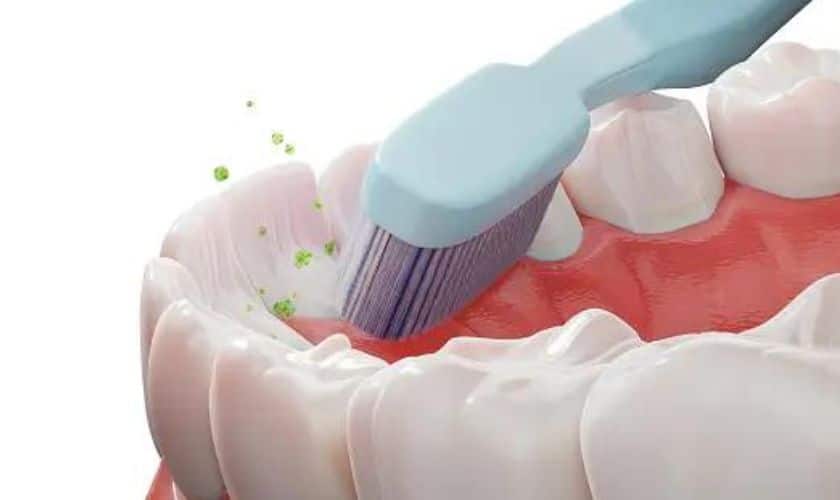
- Brush twice a day: Use a soft-bristled toothbrush and fluoride toothpaste to brush your teeth for two minutes each time. Make sure to brush all surfaces of your teeth, including the front, back, and chewing surfaces.
- Floss daily: Regular flossing helps remove food particles and plaque from between your teeth and along the gumline. Take a generous amount of floss and gently slide it between each tooth, making a C-shape around each tooth and moving it up and down.
- Rinse with mouthwash: Incorporate an antimicrobial mouthwash into your routine to kill bacteria and freshen your breath. Swish the mouthwash around your mouth for 30 seconds, then spit it out. Avoid rinsing with water immediately after to allow the mouthwash to have its full effect.
Step 2: Optimize Your Diet for Dental Health
What you eat plays a significant role in your dental health. Follow these dietary guidelines:
- Limit sugary and acidic foods: Reduce your intake of sugary snacks, candies, and carbonated beverages, as they contribute to the production of acids that erode tooth enamel. Opt for healthier alternatives like fruits, vegetables, and nuts.
- Choose tooth-friendly foods: Incorporate foods rich in calcium, such as dairy products and leafy greens, which strengthen your teeth. Also, consume foods high in fiber, like apples and carrots, as they stimulate saliva production, which helps neutralize acids. Drinking milk or eating cheese after a meal can also help neutralize acids and protect your teeth.
- Avoid frequent snacking: Continuous snacking throughout the day exposes your teeth to a constant acid attack. Try to limit snacking and opt for healthier options when you do indulge.
Step 3: Seal the Deal with Dental Sealants
Dental sealants are thin coatings applied to the chewing surfaces of your molars and premolars. They act as a barrier, protecting your teeth from plaque and acid attacks. Consider getting dental sealants, especially if you or your children have deep grooves or fissures on your teeth. Talk to your dentist about this preventive option.
Step 4: Stay Hydrated and Choose Water
Water is your mouth’s best friend. Drinking fluoridated water helps protect your teeth by strengthening the enamel and preventing tooth decay. Moreover, water washes away food particles and stimulates saliva production, which acts as a natural defense against plaque. Make it a habit to drink water throughout the day, especially after meals.
Step 5: Schedule Regular Dental Check-ups
Routine dental check-ups are crucial for preventing tooth decay. Visit your dentist at least twice a year for professional cleanings and comprehensive examinations. Your dentist will identify early signs of tooth decay, provide necessary treatments, and offer personalized advice for your oral health. Regular check-ups also allow your dentist to monitor the condition of your teeth and address any concerns before they escalate.
Step 6: Consider Fluoride Treatments
Fluoride is a mineral that strengthens your teeth and helps prevent tooth decay. Your dentist may recommend fluoride treatments, such as gels, varnishes, or mouth rinses, to provide extra protection against decay. These treatments are especially beneficial for individuals at a higher risk of tooth decay, such as children, individuals with dry mouth, or those with a history of cavities.
Step 7: Break Bad Habits
Certain habits can increase the risk of tooth decay. Avoid these practices:
- Smoking and tobacco use: Tobacco products can stain your teeth, irritate your gums, and lead to gum disease, which can contribute to tooth decay. Quitting tobacco is not only beneficial for your dental health but also for your overall well-being.
- Nail-biting and teeth grinding: These habits can damage your tooth enamel, making your teeth more susceptible to decay. If you struggle with these habits, consider seeking professional help or using techniques such as stress management, habit-reversal training, or wearing a mouthguard at night.
Step 8: Educate Yourself and Others
Knowledge is power when it comes to oral health. Stay informed about proper oral hygiene practices, preventive measures, and the importance of regular dental visits. Share this knowledge with your family, friends, and community to promote good dental habits. Encourage them to adopt a preventive approach and take care of their oral health.
The Bottom Line
Preventing tooth decay is within your reach by implementing these simple yet effective steps. By developing a consistent oral hygiene routine, maintaining a tooth-friendly diet, considering dental sealants and fluoride treatments, and visiting your dentist regularly, you can safeguard your teeth and enjoy a beautiful, healthy smile for years to come. Remember, prevention is always better than cure when it comes to tooth decay. Start taking care of your oral health today and reap the benefits in the future. Your smile will thank you!
Recent Post
February 2, 2026
Which Foods Should I Avoid to Keep My New Smile Bright on a Date?
December 3, 2025
Achieving Your Perfect Shade: Why In-Office Teeth Whitening Beats At-Home Kits for Fenton Residents

November 3, 2025
Cracked, Chipped, or Knocked-Out Teeth? Get Emergency Dentistry Services in Fenton, Michigan for Tooth Injuries
October 3, 2025
An Investment, Not an Expense: Reframing Your Dental Insurance Through the “Use-It-Lose-It” Lens
September 3, 2025
Whitening for Seniors in Fenton: Managing Thin Enamel & Sensitivity
Categories
Uncategorized (10)