Currently, we are not accepting Medicaid, HMO or State Insurances
What Are The 3 Types Of Dental Implants?
July 29, 2024
Dental implant
Dental implants have revolutionized the way we replace missing teeth. They offer a durable, natural-looking, and long-lasting solution for patients with tooth loss. But with different types available, choosing the right one can be overwhelming. In this blog, we’ll delve into the three primary types of dental implants: endosteal, subperiosteal, and zygomatic.
Understanding Dental Implants
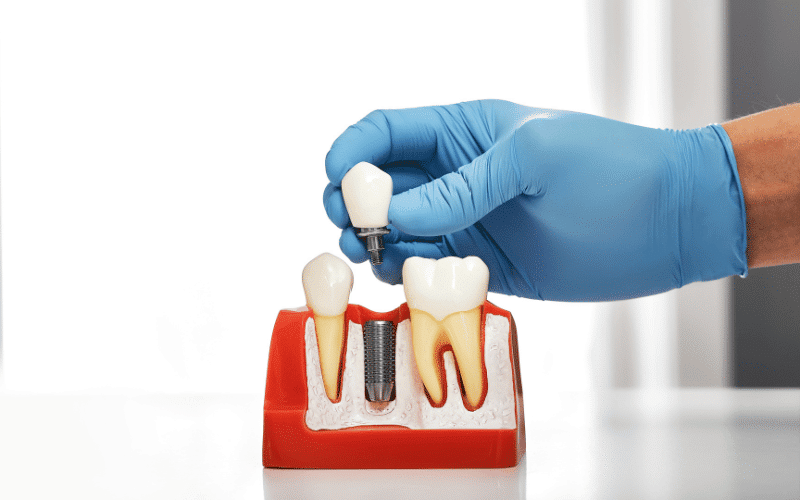
Before we explore the different types, let’s briefly understand what dental implants are. Essentially, they are artificial tooth roots made of titanium that are surgically placed into the jawbone. Over time, the implant fuses with the bone, creating a strong foundation for replacement teeth. This process, called osseointegration, is a hallmark of successful dental implant treatment.
The Three Main Types of Dental Implants
1. Endosteal Implants: The Most Common Choice
Endosteal implants are the most widely used and preferred type of dental implant in Fenton. They resemble small screws that are surgically placed into the jawbone. Once the implant integrates with the bone, an abutment is attached, acting as a connector for the artificial tooth (crown, bridge, or denture).
- Advantages:
- Highly successful with a high success rate.
- Versatile, suitable for replacing single or multiple teeth.
- Durable and long-lasting.
- Disadvantages:
- Requires sufficient jawbone density for placement.
- Healing time can be longer compared to other types.
2. Subperiosteal Implants: A Less Common Option
Subperiosteal implants are positioned beneath the gingiva on top of the mandible. A metal framework with attached teeth is then fitted over the implant. This type is often considered for patients with insufficient jawbone density.
- Advantages:
- Can be an option for patients with inadequate bone for endosteal implants.
- Shorter healing time compared to endosteal implants.
- Disadvantages:
- Less stable than endosteal implants.
- Higher risk of complications.
- Not as aesthetically pleasing as endosteal implants.
3. Zygomatic Implants: A Solution for Severe Bone Loss
Zygomatic implants are designed for patients with severe bone loss in the upper jaw. These implants are longer and are placed into the cheekbone (zygomatic arch). They provide a strong foundation for supporting dentures or bridges.
- Advantages:
- Ideal for patients with extensive bone loss.
- Allows immediate loading of dentures in some cases.
- Disadvantages:
- Complex surgical procedure.
- Higher cost compared to other types.
- Not suitable for all patients.
Choosing the Right Dental Implant
Selecting the best type of dental implant in Fenton depends on various factors, including:
- The number of missing teeth
- The condition of your jawbone
- Your overall oral health
- Your budget
- Your lifestyle
It’s essential to consult with an experienced dentist who can evaluate your specific needs and recommend the most suitable option.
Dental Implants: A Transformative Solution
Dental implants in Fenton can significantly enhance your quality of life by restoring your smile, function, and confidence. If you’re considering dental implants, schedule a consultation with a qualified dentist to explore your options and determine the best treatment plan for you.
FAQs About Dental Implants
What are dental implants?
Dental implants are titanium prosthetic tooth roots that are surgically inserted into the mandible. They serve as a strong foundation for replacement teeth, providing a natural-looking and durable solution for missing teeth.
Am I a good candidate for dental implants?
Most people with good overall health and adequate jawbone density are suitable candidates for dental implants. However, factors such as gum disease, smoking, and certain medical conditions may influence eligibility. If you’re a good candidate, the dentist will examine you.
How long does the dental implant process take?
The entire dental implant process can take several months, as it involves surgery, healing time, and the creation of replacement teeth. The precise timetable varies based on several variables.
How much do dental implants cost?
The cost of dental implants varies based on several factors, including the number of implants needed, the type of implant, and additional procedures like bone grafting. For an exact estimate, it is essential to speak with a dentist.
Do dental implants hurt?
Discomfort is minimal after the implant surgery, usually managed with over-the-counter pain relievers. Most patients experience a comfortable recovery process.
Implant Types and Procedures
What are the different types of dental implants?
The three main types of dental implants are endosteal (most common), subperiosteal, and zygomatic. The best type for you depends on your specific oral health condition.
How long do dental implants last?
For an exact estimate, it is essential to speak with a dentist. Regular oral hygiene and dental check-ups are essential for their longevity.
Is bone grafting necessary for dental implants?
In some cases, where the jawbone lacks sufficient density, bone grafting may be needed to support the implant. Your dentist will determine if this is necessary for you.
Can I get dental implants immediately after tooth extraction?
In certain situations, immediate implant placement is possible. However, it depends on factors like bone quality and the overall health of the site.
Implant Care and Maintenance
How do I care for dental implants?
Dental implant care is similar to natural teeth. Brush twice daily, floss regularly, and visit your dentist for routine check-ups and cleanings. Avoid bad habits like smoking and teeth grinding.
Can I eat anything after getting dental implants?
Once the implants have fully healed, you can enjoy a wide range of foods. However, it’s advisable to avoid excessively hard or sticky foods to prevent damage to the implant.
What happens if a dental implant fails?
Dental implant failures are rare. If an implant does fail, it can usually be replaced with a new one.
Recent Post

February 2, 2026
Which Foods Should I Avoid to Keep My New Smile Bright on a Date?
December 3, 2025
Achieving Your Perfect Shade: Why In-Office Teeth Whitening Beats At-Home Kits for Fenton Residents

November 3, 2025
Cracked, Chipped, or Knocked-Out Teeth? Get Emergency Dentistry Services in Fenton, Michigan for Tooth Injuries
October 3, 2025
An Investment, Not an Expense: Reframing Your Dental Insurance Through the “Use-It-Lose-It” Lens
September 3, 2025
Whitening for Seniors in Fenton: Managing Thin Enamel & Sensitivity
Categories
Dental implant (5)