Currently, we are not accepting Medicaid, HMO or State Insurances


Emergency Dentist in Fenton: Why You Shouldn’t Ignore Dental Emergencies
September 18, 2023
emergency dentistry
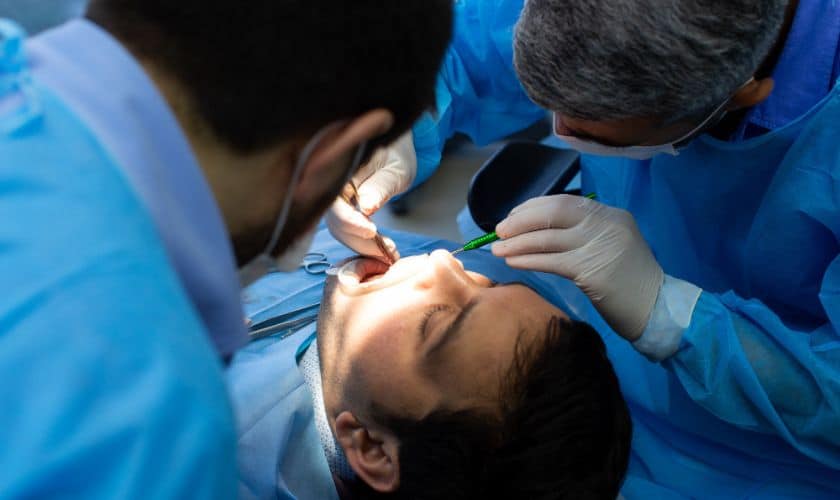
In Fenton, Michigan, dental emergencies can occur unexpectedly, causing discomfort and anxiety. While some may be tempted to delay or ignore these emergencies, it’s essential to understand why seeking prompt care from an emergency dentist is crucial for your oral health and overall well-being.
Dental emergencies encompass a range of situations, from severe toothaches and chipped teeth to knocked-out or loose teeth. Ignoring these issues can lead to worsening pain, complications, and even permanent damage. This guide explores the reasons why you shouldn’t underestimate dental emergencies and highlights the importance of timely intervention by an emergency dentist in Fenton to ensure your continued oral health and peace of mind.

Types of Dental Emergencies:
1. Severe Toothache:
– A severe, persistent toothache can indicate various underlying issues, such as dental infection or a damaged tooth nerve.
– It’s essential to seek immediate dental care when experiencing intense or throbbing tooth pain.
2. Chipped or Broken Teeth:
– Accidents or trauma can lead to chipped or broken teeth.
– Ignoring this can result in further damage, pain, and potential infection.
3. Knocked-Out Tooth:
– When a tooth is completely knocked out, it’s crucial to act swiftly.
– Try to reinsert the tooth into the socket or store it in milk and seek immediate dental attention. The chances of successful reattachment decrease with time.
4. Loose Teeth:
– Loose teeth can result from dental trauma or advanced gum disease.
– Addressing loose teeth promptly can prevent tooth loss.
5. Lost Dental Restorations:
– Losing a filling, crown, or dental bridge can expose the tooth to further damage and sensitivity.
– Seek immediate dental care to replace or repair the lost restoration.
6. Abscess or Dental Infection:
– An abscess is a painful infection that can develop at the root of a tooth or in the gums.
– Dental infections can spread and lead to serious health complications if left untreated.
7. Bleeding Gums or Oral Tissues:
– Profuse bleeding from the gums or oral tissues can result from trauma or injury.
– It’s essential to control the bleeding and seek dental evaluation to determine the cause.
8. Injury to Soft Tissues:
– Injuries to the lips, tongue, or cheeks can occur during accidents.
– Prompt attention is needed to assess and treat any damage to soft oral tissues.
9. Jaw Fractures:
– A broken jaw can be a severe dental emergency requiring immediate medical attention.
– Stabilize the jaw and seek emergency care at a hospital or from an oral surgeon.
10. Orthodontic Emergencies:
– Braces or orthodontic appliances may cause discomfort or break.
– Contact your orthodontist for guidance on managing these emergencies.
Consequences of Ignoring Dental Emergencies
Neglecting dental emergencies can have serious consequences. Here are the potential outcomes of ignoring dental emergencies:
1. Increased Pain and Discomfort: Dental emergencies often cause severe pain and discomfort. Ignoring the issue can result in prolonged suffering and decreased quality of life.
2. Worsening of Dental Problems: Dental emergencies rarely resolve on their own. In fact, they often worsen over time. What might have been a minor issue can develop into a more complicated and extensive problem.
3. Tooth Loss: Ignoring dental emergencies, such as loose or knocked-out teeth, can lead to irreversible tooth loss. Quick intervention is critical to saving a damaged or dislodged tooth.
4. Infection Spread: Dental infections, like abscesses, can spread to other parts of the body, leading to systemic health problems. Delayed treatment can allow the infection to advance and become life-threatening.
5. Complicated Treatments: Delayed intervention often necessitates more complex and costly dental treatments. What might have been a straightforward procedure can turn into a lengthy and involved process.
6. Financial Impact: Ignoring dental emergencies can lead to higher treatment costs in the long run. Early intervention is not only beneficial for your oral health but also for your wallet.
7. Emotional Stress: Living with dental pain or the fear of worsening dental problems can cause significant emotional stress and anxiety.
8. Aesthetic Concerns: Dental emergencies can result in visible dental issues, affecting your smile’s appearance and self-confidence.
9. Systemic Health Risks: Dental problems, especially infections, can have systemic health consequences if left untreated. These include heart problems, sepsis, and complications for individuals with certain medical conditions.
10. Missed Work or School: Severe dental emergencies may require immediate attention, causing you to miss work or school and disrupting your daily routine.
Handling Dental Emergencies at Home
Handling dental emergencies at home requires specific actions to alleviate pain and prevent further damage. Here are steps you can take for common dental emergencies until you can see an emergency dentist:
1. Toothache:
– Rinse your mouth with warm water to clean it.
– Floss gently to remove any debris between teeth.
– Take over-the-counter pain relievers if needed, following the instructions.
2. Chipped or Broken Tooth:
– Rinse your mouth with warm water to clean the area.
– If there’s bleeding, apply gauze to control it.
– Save any broken tooth fragments.
– Cover sharp edges with dental wax or sugarless gum to prevent injury.
3. Knocked-Out Tooth:
– Handle the tooth by the crown (top) and avoid touching the root.
– Rinse the tooth gently with water if dirty, but do not scrub or remove any tissue fragments.
– Try to reinsert the tooth into its socket if possible.
– If reinsertion isn’t possible, store the tooth in milk or a tooth preservation solution.
4. Loose Tooth:
– Avoid wiggling or touching the loose tooth.
– Maintain a soft diet and avoid putting pressure on the tooth.
– Use dental wax to stabilize the tooth if necessary.
5. Lost Dental Restoration (Filling or Crown):
– Clean the exposed tooth gently.
– Apply over-the-counter dental cement or denture adhesive to temporarily reattach a lost crown.
– Avoid chewing on the restoration-free tooth.
6. Abscess or Dental Infection:
– Rinse your mouth with warm saltwater (1/2 teaspoon of salt in 8 ounces of water) to ease discomfort.
– Do not apply heat or place aspirin directly on the affected area.
– Seek immediate dental care to address the infection.
7. Bleeding Gums or Oral Tissues:
– Gently rinse your mouth with warm saltwater to clean the area.
– Apply light pressure with clean gauze to control bleeding.
– If bleeding persists, contact an emergency dentist.
Dental Emergency Preparedness
Being prepared for a dental emergency is crucial for quick and effective action. Here’s how you can ensure dental emergency preparedness:
1. Create an Emergency Dental Kit:
– Assemble a dental emergency kit that includes:
– Disposable gloves
– Dental mirror
– Dental floss
– Gauze pads
– Dental wax
– Small container with a lid
– Over-the-counter pain relievers
– Emergency contact numbers (dentist, oral surgeon, local emergency room)
2. Know Your Dentist’s Contact Information:
– Keep your regular dentist’s contact information readily available, including their office hours and after-hours emergency contact number.
3. Research Local Emergency Dental Clinics:
– Identify nearby emergency dental clinics and their contact information.
– Know their operating hours and location.
4. Learn Basic First Aid for Dental Emergencies:
– Educate yourself on how to handle common dental emergencies such as toothaches, knocked-out teeth, and broken teeth.
– Understand proper techniques for cleaning and storing a dislodged tooth.
5. Emergency Dental Plan for Travel:
– If you’re traveling, research emergency dental options at your destination.
– Carry your dental emergency kit and dentist’s contact information with you.
6. Share Information with Family Members:
– Ensure that family members are aware of the dental emergency kit’s location and how to use it.
– Share your dentist’s contact information with them.
7. Regular Dental Check-Ups:
– Maintain routine dental check-ups to address and prevent potential dental issues before they become emergencies.
8. Stay Calm:
– In the event of a dental emergency, staying calm is essential. Panic can hinder your ability to take appropriate action.
9. Know When to Seek Professional Help:
– While you can handle some dental emergencies at home temporarily, always seek professional dental care promptly.
10. Insurance Coverage:
– Understand your dental insurance coverage for emergencies and ensure you have necessary documents or cards accessible.
How an Emergency Dentist Can Help
An emergency dentist plays a crucial role in addressing dental emergencies promptly and effectively. Here’s how an emergency dentist can help:
1. Immediate Relief from Pain: Emergency dentists are equipped to provide swift pain relief for conditions like severe toothaches, dental abscesses, or oral injuries. They can administer local anesthesia or prescribe pain medications to alleviate discomfort.
2. Treatment for Trauma and Injuries: In cases of accidents or trauma resulting in broken, chipped, or knocked-out teeth, emergency dentists can assess the extent of the damage and perform necessary procedures such as tooth reimplantation, bonding, or crowns to restore the teeth.
3. Diagnosis and Treatment of Infections: Dental infections, including abscesses and gum infections, require prompt attention to prevent the spread of infection and more severe complications. Emergency dentists can diagnose and treat these infections, often through procedures like drainage and antibiotics.
4. Handling Lost Dental Restorations: If you lose a dental filling, crown, or bridge, an emergency dentist can provide temporary or permanent replacements to protect the affected tooth and restore functionality.
5. Tooth Extractions: In cases where a tooth cannot be saved due to severe damage or infection, an emergency dentist can perform extractions to prevent further complications and pain.
6. Managing Orthodontic Emergencies: Patients with braces or other orthodontic appliances may encounter issues like loose wires or brackets. Emergency dentists can make adjustments or repairs to ensure the orthodontic treatment remains on track.
7. Evaluation and Treatment Planning: Even if immediate treatment isn’t required, an emergency dentist can assess your condition, provide guidance, and create a treatment plan for ongoing care if necessary.
8. Availability Beyond Regular Hours: Emergency dentists typically offer extended hours, including evenings and weekends, to accommodate patients experiencing urgent dental problems outside of regular office hours.
9. Preventing Long-Term Damage: Timely intervention by an emergency dentist can prevent dental issues from escalating into more severe and costly problems.
10. Patient Education: Emergency dentists often take the time to educate patients about their condition, preventive measures, and proper oral care to avoid future emergencies.
In conclusion, the role of an emergency dentist is vital in providing immediate relief, diagnosing and treating dental emergencies, and preventing long-term damage. Their expertise and availability outside regular office hours make them essential in ensuring patients receive timely and effective care during critical dental situations.
Recent Post

February 2, 2026
Which Foods Should I Avoid to Keep My New Smile Bright on a Date?
December 3, 2025
Achieving Your Perfect Shade: Why In-Office Teeth Whitening Beats At-Home Kits for Fenton Residents

November 3, 2025
Cracked, Chipped, or Knocked-Out Teeth? Get Emergency Dentistry Services in Fenton, Michigan for Tooth Injuries

October 3, 2025
An Investment, Not an Expense: Reframing Your Dental Insurance Through the “Use-It-Lose-It” Lens
September 3, 2025
Whitening for Seniors in Fenton: Managing Thin Enamel & Sensitivity
Categories
emergency dentistry (8)