Currently, we are not accepting Medicaid, HMO or State Insurances


Teeth Whitening in Fenton, MI
July 6, 2026
Dental Health
Teeth whitening is one of the most popular smile upgrades available today. But not everyone gets the same results. If you’ve been wondering, will teeth whitening actually work for you? Find out now in Fenton — this article is your honest answer. Dr. Alex Burau at Downtown Dental Fenton helps patients understand exactly who benefits most from whitening treatments. Let’s break it down clearly so you can make a smart, informed decision.
How Teeth Whitening Works — And Why It Doesn’t Work for Everyone
Whitening treatments use peroxide-based agents to break apart stain molecules inside your tooth enamel. This process is very effective — but only on natural tooth structure. It cannot change the color of dental work like crowns, veneers, or bonding. That’s the first key detail to understand before you start.
Teeth stains also come in two main types. Extrinsic stains sit on the surface and respond well to whitening. Intrinsic stains live deep inside the tooth itself. Intrinsic stains are far more resistant to standard whitening products. Knowing which type you have matters enormously.
A professional evaluation at Downtown Dental Fenton can identify your stain type quickly. Dr. Burau will examine your teeth and recommend the right approach. This saves you time, money, and frustration. Skipping this step often leads to disappointing results.
Who Gets the Best Whitening Results in Fenton?
The ideal whitening candidate shares a few common traits. If you check these boxes, whitening will likely work very well for you.
- Your teeth are naturally yellow or have surface stains from coffee, tea, or wine
- You have healthy gums with no active infection or disease
- Your teeth are free of significant decay or cavities
- You have mostly natural teeth with minimal dental work in your smile zone
- Your enamel is thick enough to tolerate the whitening process
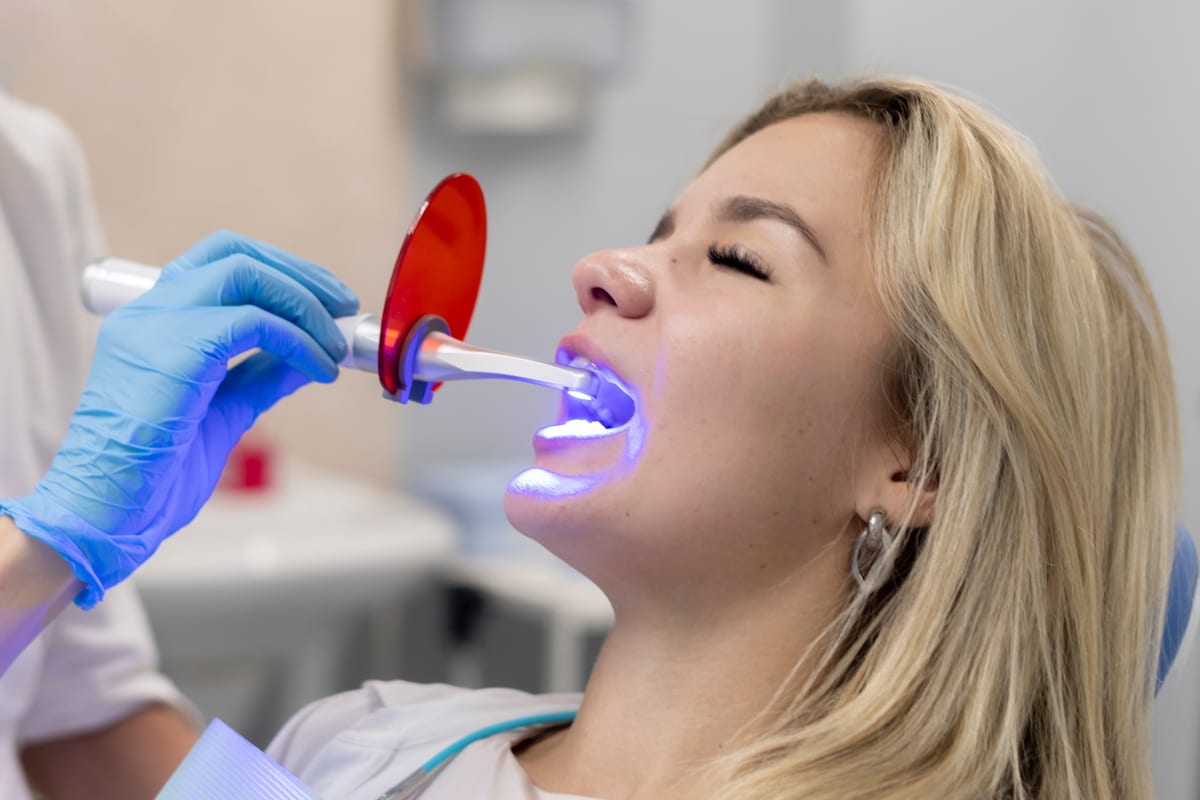
Patients with these characteristics typically see dramatic results. In-office whitening at Downtown Dental Fenton can brighten teeth by several shades in a single appointment. Take-home whitening trays offer similar results on a slightly longer timeline. Both options are safe and supervised by Dr. Burau.
Younger patients with no history of dental trauma often respond fastest. Their enamel tends to be more receptive to the bleaching agents. That said, many adults of all ages see excellent outcomes. Age alone rarely disqualifies someone from whitening.
Who Should Think Twice Before Whitening?
Whitening is not a universal solution. Several situations can limit your results — or make whitening the wrong choice entirely.
Dental restorations in visible areas are a major consideration. Porcelain crowns, veneers, and composite bonding do not respond to bleaching agents. If you whiten your natural teeth, those restorations will stay their original shade. This can create an uneven, mismatched appearance. Your dentist needs to know about all existing dental work before starting treatment.
Intrinsic staining from medications is another common obstacle. Tetracycline antibiotics, taken during childhood tooth development, can cause deep gray or brown banding inside the tooth. These stains sit below the enamel surface. Standard whitening treatments rarely penetrate deeply enough to address them effectively.
Fluorosis — caused by excessive fluoride exposure during childhood — can also resist whitening. It often appears as white spots or brown streaks on the teeth. Whitening may actually make white-spot fluorosis more visible. A personalized consultation is critical before attempting any treatment.
Other situations that may affect your candidacy include:
- Active gum disease or periodontal issues that need treatment first
- Highly sensitive teeth that react to cold or pressure
- Severe enamel erosion from acid reflux or diet
- Pregnancy or breastfeeding, when whitening is typically postponed
- Unrealistic expectations about final shade outcomes
Alternatives When Whitening Won’t Work — Cosmetic Dentistry Options
If whitening isn’t the right fit, that doesn’t mean you’re stuck with a smile you dislike. Cosmetic Dentistry offers several powerful alternatives that can transform your smile in different ways. Dr. Burau will help you explore options that actually fit your unique situation.
Dental veneers are thin porcelain shells that bond to the front of your teeth. They cover intrinsic stains, fluorosis, and tetracycline discoloration completely. Veneers also address chips, gaps, and minor misalignment at the same time. They’re a popular solution for patients who haven’t responded well to whitening.
Composite bonding is another option that works quickly and affordably. Your dentist applies tooth-colored resin directly to the stained area. The result blends naturally with surrounding teeth. Bonding is reversible and requires no major tooth reduction.
In some cases, underlying dental problems must be resolved first. A tooth with deep internal damage may require a Root Canals Treatment before cosmetic work can begin. Treating the source of darkening often improves the tooth’s appearance on its own. Dr. Burau will always prioritize your dental health before aesthetics.
How to Find Out If Whitening Will Work for You in Fenton
The only truly reliable way to know is a professional exam. Dr. Alex Burau at Downtown Dental Fenton performs thorough evaluations before recommending any whitening treatment. He’ll assess your stain type, tooth health, and existing restorations. You’ll leave with a clear, honest recommendation — not a sales pitch.
During your consultation, you can also ask about whitening strength and timing. Not all whitening treatments are equal. Drugstore strips use much lower peroxide concentrations than professional systems. Over-the-counter products may not work fast enough or powerfully enough for moderate-to-heavy staining.
Professional whitening is also safer for sensitive teeth when supervised properly. Dr. Burau can recommend desensitizing treatments to use alongside your whitening plan. This makes the process more comfortable from start to finish. Many Fenton patients are surprised by how manageable the experience really is.
Here’s a simple self-check to bring to your appointment:
- What color are my stains — yellow, gray, brown, or white spots?
- Do I have crowns or veneers in my smile zone?
- Did I take tetracycline antibiotics as a child?
- Do my teeth feel sensitive regularly?
- What shade result am I hoping to achieve?
These questions give Dr. Burau exactly the information he needs. Your answers will shape the most effective whitening plan for you. No guesswork. No wasted products. Just real, personalized guidance from a dentist who knows Fenton patients well.
Conclusion
Teeth whitening works beautifully for the right candidates — but it’s not the answer for everyone. Understanding your stain type, dental history, and existing restorations is essential before starting. Dr. Alex Burau at Downtown Dental Fenton is here to help you self-screen honestly and find the smile solution that truly fits. Book Now to schedule your appointment with our team.
Frequently Asked Questions
Can teeth whitening remove stains caused by tetracycline antibiotics?
Tetracycline stains are intrinsic, meaning they form deep inside the tooth structure. Standard whitening treatments typically cannot reach these stains effectively. Patients with tetracycline discoloration often achieve better results with porcelain veneers or composite bonding instead.
Will whitening work on my crown or veneer?
No. Whitening agents only affect natural tooth enamel. Crowns, veneers, and bonding will not change color during treatment. If your dental work is in a visible area, whitening your surrounding teeth may create a color mismatch. Talk to Dr. Burau about your options before starting.
How many shades whiter can I expect my teeth to become?
Results vary depending on your starting shade, stain type, and the whitening system used. Most patients with yellow extrinsic staining see improvements of several shades. Professional whitening at Downtown Dental Fenton delivers more consistent, noticeable results than over-the-counter products.
Is teeth whitening safe for people with sensitive teeth?
Yes, with the right precautions. Dr. Burau can recommend lower-concentration whitening formulas and desensitizing gels used before and after treatment. Many sensitive-tooth patients complete whitening comfortably with these adjustments. Always disclose tooth sensitivity during your consultation.
How long do teeth whitening results last?
Results typically last between one and three years depending on your diet and oral hygiene habits. Foods and drinks like coffee, red wine, and berries can shorten the lifespan of your results. Touch-up treatments are available at Downtown Dental Fenton to maintain your brighter smile over time.
Recent Post
September 14, 2026
Is That Tooth Pain Actually a Dangerous Abscess?

September 7, 2026
Why Your Coffee Stains Won’t Whiten (And What Actually Works)

August 24, 2026
Your Smile Makeover From Start to Finish: What Happens at Each Appointment
August 17, 2026
Your 2 AM Toothache Doesn’t Have to Ruin Your Weekend
August 10, 2026
Dental Pain at 2 AM: Your Real Options Beyond the ER
Categories
Dental Health (35)