Currently, we are not accepting Medicaid, HMO or State Insurances


Why Your Root Canal Isn’t Complete Without a Crown
November 23, 2026
Dental Health
Many patients in Fenton, MI feel relieved after completing a root canal. The pain is gone, the infection is treated, and life feels normal again. But here is something important to understand: why your root canal isn’t complete without a crown Fenton residents often overlook. Skipping the crown can put your treated tooth — and your smile — at serious risk.
Dr. Alex Burau at Downtown Dental Fenton sees this situation regularly. Patients sometimes delay their crown appointment, not realizing how vulnerable their tooth remains. This guide explains exactly why the crown matters, what happens if you skip it, and what the crown appointment actually involves.
What Happens to Your Tooth During a Root Canal?
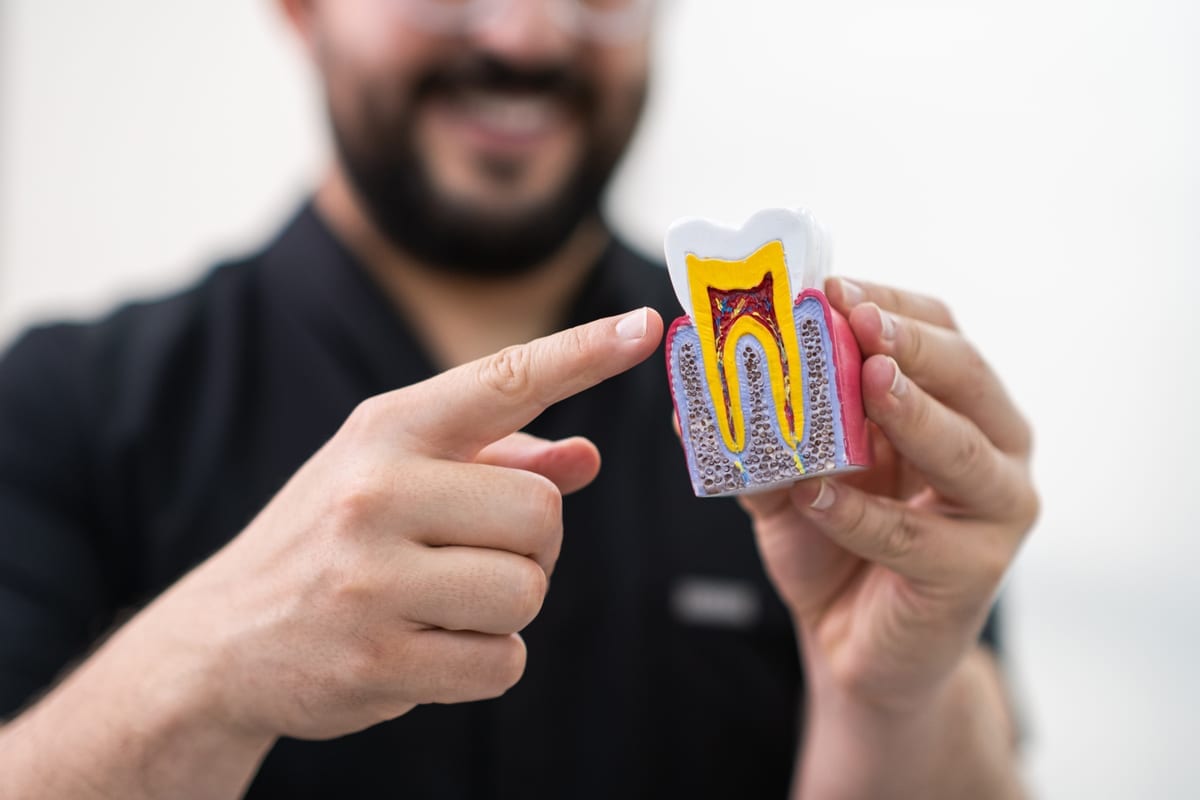
To understand why a crown is necessary, you first need to understand what a root canal does to your tooth. During Root Canals Treatment Fenton patients receive at Downtown Dental, the inner pulp tissue is carefully removed. This pulp contains nerves and blood vessels that keep the tooth alive.
Once the pulp is gone, the tooth no longer receives nutrients or moisture from within. It becomes brittle over time. Think of it like a dried-out twig versus a living branch — the dried one snaps far more easily.
The root canal also requires removing some internal tooth structure. This makes the tooth weaker than it was before treatment. Without reinforcement, that tooth is at real risk of cracking under normal chewing pressure.
Why Your Root Canal Isn’t Complete Without a Crown in Fenton
A dental crown acts as a protective cap over your treated tooth. It restores the tooth’s full shape, strength, and function. This is why understanding why your root canal isn’t complete without a crown Fenton patients need is so critical to long-term dental health.
Here are the key reasons a crown is essential after root canal treatment:
- Prevents fracture: The treated tooth is brittle. A crown holds it together under chewing forces.
- Seals the tooth: A crown provides a tight seal that protects against reinfection.
- Restores function: You can chew normally and comfortably again.
- Preserves appearance: A crown looks and feels like a natural tooth.
- Extends tooth lifespan: Crowned teeth after root canals last significantly longer on average.
Without a crown, even a successfully treated tooth can fail. It may crack vertically, which often results in full extraction. That outcome is far more costly and complex than simply placing a crown after treatment.
What Happens If You Skip the Crown?
Skipping or delaying your crown is one of the most common mistakes Dr. Alex Burau sees after root canal treatment. Patients sometimes feel fine and assume the tooth is strong enough. Unfortunately, that is not how tooth biology works after root canal therapy.
A tooth without a crown after a root canal faces several serious risks:
- Vertical fracture: The tooth can split from top to root under chewing pressure.
- Reinfection: Bacteria can re-enter through micro-gaps in the temporary filling.
- Tooth loss: A fractured or reinfected tooth may need full extraction.
- Bone loss: Losing the tooth leads to jawbone deterioration over time.
- Bite shifting: Neighboring teeth move into the gap, causing alignment issues.
A temporary filling placed during your root canal is not a permanent solution. It is designed only to protect the tooth while your crown is being prepared. Delaying beyond a few weeks significantly increases your risk of complications.
What Does the Crown Appointment Involve?
Many patients feel nervous about adding another dental appointment. The good news is that the crown process at Downtown Dental Fenton is straightforward and comfortable. Dr. Alex Burau walks every patient through each step.
Here is what you can typically expect during your crown appointment:
- Tooth preparation: The outer portion of the tooth is gently shaped to fit the crown snugly.
- Impressions or digital scans: Precise measurements are taken to custom-fabricate your crown.
- Temporary crown placement: A temporary crown protects your tooth while the permanent one is made.
- Permanent crown fitting: At your follow-up visit, the permanent crown is bonded securely in place.
- Bite check and adjustments: Dr. Burau ensures your bite feels comfortable and natural.
Modern crowns are designed to match your natural tooth color. Most patients find the crown blends seamlessly with their smile. This is especially important for front teeth where appearance matters most.
If you are interested in how crowns can also enhance your overall smile, Cosmetic Dentistry Fenton services at Downtown Dental offer a range of solutions tailored to your goals.
How Long Do Crowns Last After a Root Canal?
A well-placed crown on a root-canal-treated tooth can last 10 to 15 years or longer. Proper care makes a significant difference in longevity. Dr. Alex Burau recommends a few simple habits to protect your investment.
Brush twice daily and floss around the crown every day. Avoid chewing hard objects like ice or hard candy directly on the crown. Visit Downtown Dental Fenton for regular check-ups and cleanings to monitor crown health over time.
With good oral hygiene and routine professional care, many patients keep their crowned teeth for decades. The goal is always to preserve your natural tooth whenever possible — and a crown makes that goal achievable after root canal treatment.
Taking the Next Step at Downtown Dental Fenton
If you have recently had a root canal, do not wait on your crown appointment. The sooner you protect that tooth, the better your long-term outcome will be. Dr. Alex Burau and the team at Downtown Dental Fenton are here to guide you through every step of the process.
Our friendly, knowledgeable team makes the crown process as smooth and stress-free as possible. We take time to explain your options clearly and answer every question you have. Your comfort and confidence in your treatment always come first.
Ready to complete your root canal treatment the right way? Book Now to schedule your appointment with our team.
Frequently Asked Questions
How soon after a root canal do I need a crown?
Most dentists recommend placing a crown within a few weeks of completing your root canal. The temporary filling used after treatment is not meant to be permanent. Delaying too long increases the risk of fracture or reinfection in the treated tooth.
Can every tooth get a crown after a root canal?
Most teeth are good candidates for a crown after root canal treatment. The exception is very small or heavily damaged teeth that may not support a crown well. Dr. Alex Burau will evaluate your specific tooth and recommend the best option for your situation.
Will my crown look natural?
Yes. Modern dental crowns are crafted to closely match the shape, size, and color of your natural teeth. Most patients find their crown blends in seamlessly with the rest of their smile. Your aesthetic result is always a priority at Downtown Dental Fenton.
Is the crown appointment painful?
Most patients experience very little discomfort during the crown preparation appointment. Local anesthesia is used to keep you comfortable throughout the process. Any mild soreness afterward typically resolves within a day or two.
What if I already had a root canal but never got a crown?
It is not too late to protect your tooth with a crown. Dr. Alex Burau can evaluate the current condition of your treated tooth and determine whether a crown is still a viable option. Acting sooner rather than later gives you the best chance of saving the tooth.
Recent Post
November 23, 2026
Why Your Root Canal Isn’t Complete Without a Crown

November 19, 2026
Is That Tooth Pain Actually a Dangerous Abscess?

November 19, 2026
Why Your Coffee Stains Won’t Whiten (And What Actually Works)

November 19, 2026
Your Smile Makeover From Start to Finish: What Happens at Each Appointment

November 19, 2026
Why Your Dental Abscess Could Become a Medical Emergency
Categories
Dental Health (46)